
phone:  0468 774 633

Mon to Thur 8:30am – 5pm

Prunes and Bone Health

A Fruit Worth Noticing Throughout adulthood, our bones are continually being broken down and rebuilt. As we move through midlife and beyond, supporting the balance between these processes becomes increasingly important. Research in menopausal women has found that regular consumption of dried plums may help support bone mineral density and influence markers of bone turnover. … Read more

Why the type of testing matters

HTMA: Setting the Record Straight The following information is shared with approval from Ian Tracton. I highly recommend and regularly use InterClinical Laboratories for HTMA testing. What OligoScan says about hair analysis – and what the peer-reviewed evidence shows OligoScan and its sellers routinely characterise Hair Tissue Mineral Analysis (HTMA) as inferior, unreliable, or limited … Read more

Menopause is not a disease

Recently I have been reading and hearing about how women can cope with peri-menopause and menopause as though this is some type of disease. Admittedly, there are a lot of women struggling through this transitional period of life, but symptoms can be mitigated.  It is unclear whether more women are experiencing a myriad of unpleasant … Read more

Don’t blame the hormones

There are so many times women tell me there is something wrong with their hormones. They are mostly referring to reproductive hormones of oestrogen and progesterone. But we have many more hormones in our body which are regulating a myriad of functions, all of which are intricately inter-related. Lara Briden explains this very well in … Read more

Balancing hormones with good nutrition

Premenstrual syndrome (PMS) PMS affects up to 80-90% of females of reproductive age and is characterised by luteal phase physical, mood and behavioural symptoms. PMS has a large impact on quality of life and daily activities. It is believed magnesium modulates hormonal levels, especially progesterone, to relieve symptoms of depression, irritability, tiredness, and anxiety.1 Dysmenorrhoea … Read more
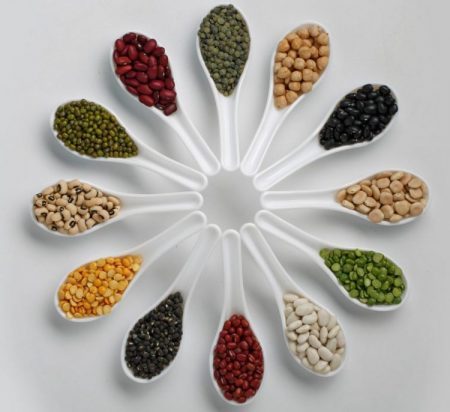
How plants can lower excess oestrogen

Phytoestrogens are a special group of nutrients that occur naturally in most plant foods. The two major classes are isoflavones in soy, and lignans in seeds, whole grains, legumes, fruits, and vegetables. However, the one condition that should be noted is that any soy product must be certified organic non-GMO and fermented. Read more about the soy … Read more

Menopausal Relief: Eastern tradition meets clinical science

Menopausal Hormone Therapy (MHT) is known to increase the risk of breast cancer, and is one of the most important modifiable risk factors.1 Many women seek out alternatives to MHT to help support them through this life phase, safely and effectively. Herbal medicine is a powerful modality, and along with nutrition and lifestyle modifications, can … Read more