phone:  0468 774 633

Mon to Thur 8:30am – 5pm

When is mood biochemical not psychological?

Did you know that low motivation, emotional flatness, addictive behaviours, or an inability to complete even simple tasks, are often mistaken  as “non-compliant” or “uncommitted”? But what if the problem isn’t psychological?   What if it’s biochemical? In clinical genomics, we understand that fast COMT activity—driven by genetic variation—can deplete dopamine levels so drastically that it mimics … Read more

Anxiety

Anxiety isn’t just one thing — there are different types, each with its own causes and treatments. In many cases, anxiety can only be treated if you understand the root cause of it. Identifying and addressing the underlying causes to any health problem is essential to achieving long term resolution. This may take time and some … Read more

Folate – the format matters

In the 60s it was suggested that low folate status was one specific risk factor for Neural Tube Defects (NTD) including Spina Bifida. What began with recommendations to supplement with folic acid during pregnancy expanded into mandatory food fortification in many countries, including Australia[i] in the mid to late 1990’s. Both of these approaches have had … Read more

3,257 reasons to choose natural medicine
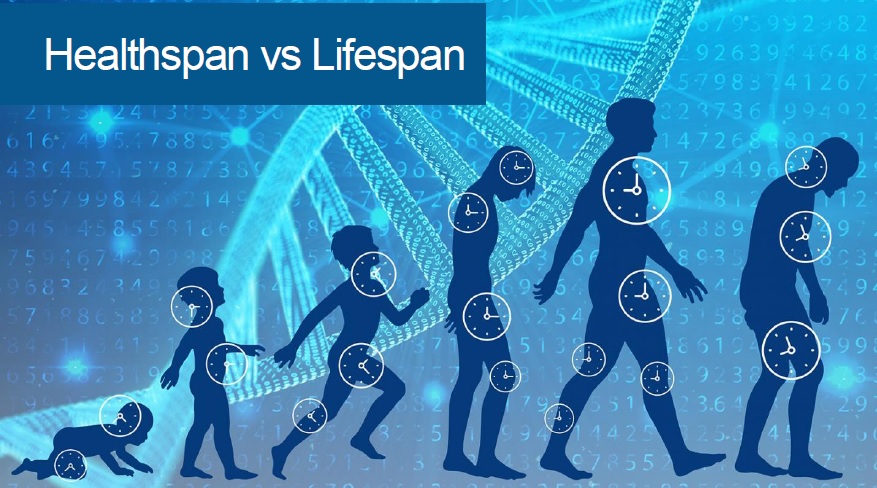
Worldwide difference between healthspan and lifespan •  Healthspan: the length of time a person is healthy. •  Lifespan: the length of time a person lives. •  The United Nations reports the world’s lifespan is approximately 73 years. •  Healthspanis approximately 64 years. •  The estimated gap between living a healthy life and living with a … Read more

Folate, pregnancy, Neural Tube Defects and more

In the 60s it was suggested that low folate status was one specific risk factor for Neural Tube Defects (NTD) including Spina Bifida. What began with recommendations to supplement with folic acid during pregnancy expanded into mandatory food fortification in many countries, including Australia[i] in the mid to late 1990’s. Both of these approaches have … Read more

The hungry brain

Skeletal muscle and the brain are the most energy-demanding tissues in the human body and, consequently, require substantial supply of micronutrients involved in energy production. There is a strong biological and physiological rationale for the use of vitamins and minerals for the support of cellular energy production, especially within the brain. Skeletal muscle and the … Read more