phone:  0468 774 633

Mon to Thur 8:30am – 5pm

Your gut, brain, microbes and vagus nerve

Delia McCabe has compiled this highly informative breakdown about how your gut interacts with your brain. It also highlights how the probiotic revolution is severely lacking – both in the science and actions. After all, with around 100 trillion bacteria in our gut, how can a few strains rebalance what is out of whack? This … Read more

Methylation, MTHFR and what it all means

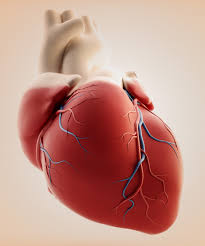
I have written about the importance of methylation in my book as well as in my blogs. Homocysteine is a by-product of protein metabolism and is usually checked for elevated levels, particularly due to its link to cardiovascular disease. However, today I’d like to share an excellent blog by Carolyn Ledowsky of MTHFR Support explaining … Read more

When is mood biochemical not psychological?

Did you know that low motivation, emotional flatness, addictive behaviours, or an inability to complete even simple tasks, are often mistaken  as “non-compliant” or “uncommitted”? But what if the problem isn’t psychological?   What if it’s biochemical? In clinical genomics, we understand that fast COMT activity—driven by genetic variation—can deplete dopamine levels so drastically that it mimics … Read more

Plastic is in your body and brain
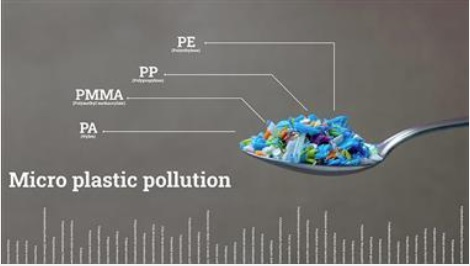
The following article was published by Dr Mercola and is a must-read for anyone who uses and disposes of plastic. Plastic Is Everywhere Now, Including Your Brain Analysis by Dr. Joseph Mercola   Fact Checked  May 11, 2023 STORY AT-A-GLANCE We live in a throwaway society, and products intended for short-term consumption are packaged in materials … Read more
No “One size fits all”

When it comes to using supplements, there are a lot of considerations that must be taken into account.  Simply reading something or listening to a well-meaning friend and then purchasing a supplement off the shelf does not mean it is suitable for you. Here’s one example of ECGC, an extract from green tea, known for … Read more

Information courtesy of Deborah Freudenmann BHSc What are the symptoms of mould exposure? Mould enters our bodies through the respiratory tract as we breathe in the spores. While some people don’t notice any health changes when exposed to mould, others notice major impacts to their lung health, breathing capacity, and general wellness. Many also develop … Read more

Candida – causes and answers

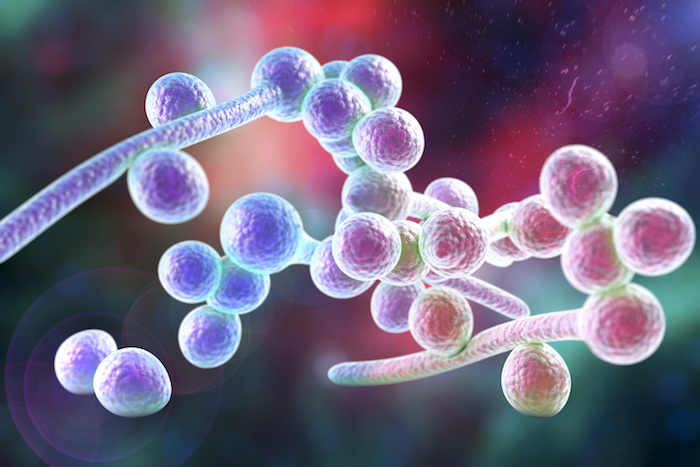
Article courtesy of Deborah Freudenmann, BHSc(Nat) Candida Albicans is one of the common fungal yeasts occurring naturally in the body. It lives in harmony with a large variety of microorganisms and performs some critical functions. However, patients may develop symptoms when some lifestyle-linked environmental conditions disrupt the balance of the microbiota of the body. The … Read more

Why some get sick and others do not

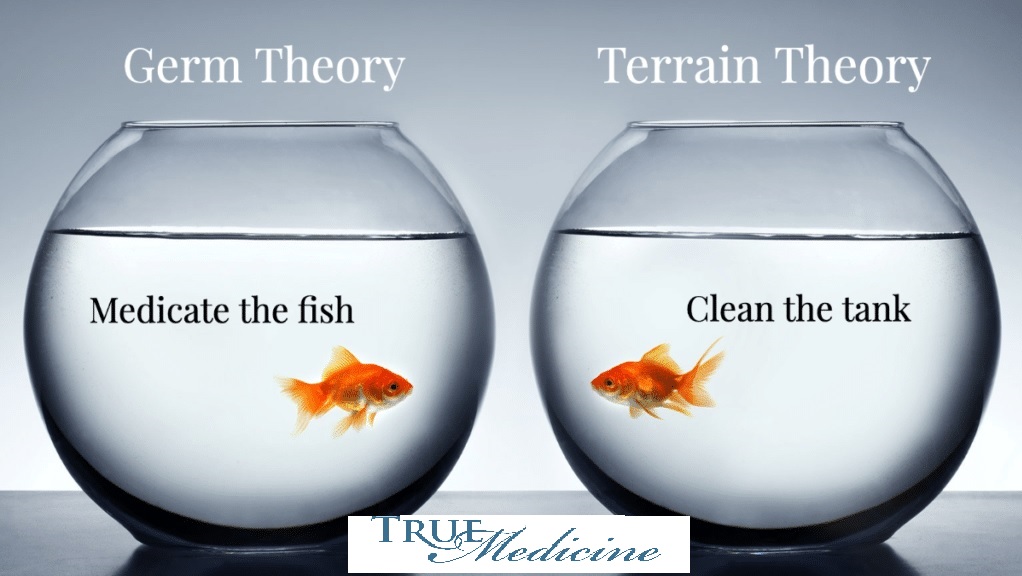
Terrain Theory vs Germ Theory – Written by Deborah Freudenmann BHSc It is commonly observed that some people tend to be more prone to develop health issues like infections and allergies more commonly than others. Also, some people tend to develop more severe symptoms of infections or other diseases while some develop very mild symptoms … Read more

Clearing out toxins

What is Detoxification? Detoxification is the process where: the body excretes toxic chemicals that it has been exposed to from the environment and diet, and the body excretes harmful compounds that are created during its own metabolism pathways (such as uric acid and excessive hormones) Doesn’t the Body Detoxify Naturally? Yes! The body has its … Read more

Hydration is more than just drinking water

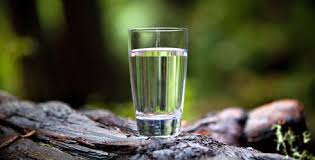
Let’s talk about what it means to be hydrated!  Many people drink abundant amounts of water, yet they are not hydrated. Drinking water does not necessarily mean you will be hydrated. Similarly to eating good food does not necessarily mean the cells are getting their nutrients either. One has to drink water of quality—water is … Read more